




Sick and Tired of Your Sciatica?

Sciatica in Eastbourne

Sciatica can put your life on hold, restricting your mobility and affecting your quality of life. When you’re suffering with sciatica, what you want most is a plan to get you better.

Our excellent chiropractors and massage team will work closely with you to find the cause of your sciatica. They’ll listen to you and create a personalised plan of care to get you better.

We are passionate about helping you feel better and recover from your sciatica.

What Is Sciatica?

Sciatica is a condition that affects the sciatic nerve, which is the largest nerve in the body. The NHS reports that sciatica is a relatively common condition affecting up to 10% of the UK population. Sciatica is most commonly diagnosed in people aged 30 to 50 years old and is slightly more prevalent in men than women.

Your sciatic nerve runs from your low back down around your buttocks and into your legs. When the nerve is irritated it can cause pain, numbness, tingling or weakness in your buttock/hip and/or leg.

Symptoms of sciatica may include sharp pain that radiates from the lower back down through the legs. Some types of sciatica result in numbness or tingling in the legs (or feet). In severe cases sciatica can also cause muscle weakness in the legs/calf. These symptoms can be worsened by prolonged sitting or standing, coughing or sneezing and twisting or bending the spine.

The good news is that chiropractic can help. We’ve helped lots of people like you with sciatica.

Chiropractic Treatment for Sciatica

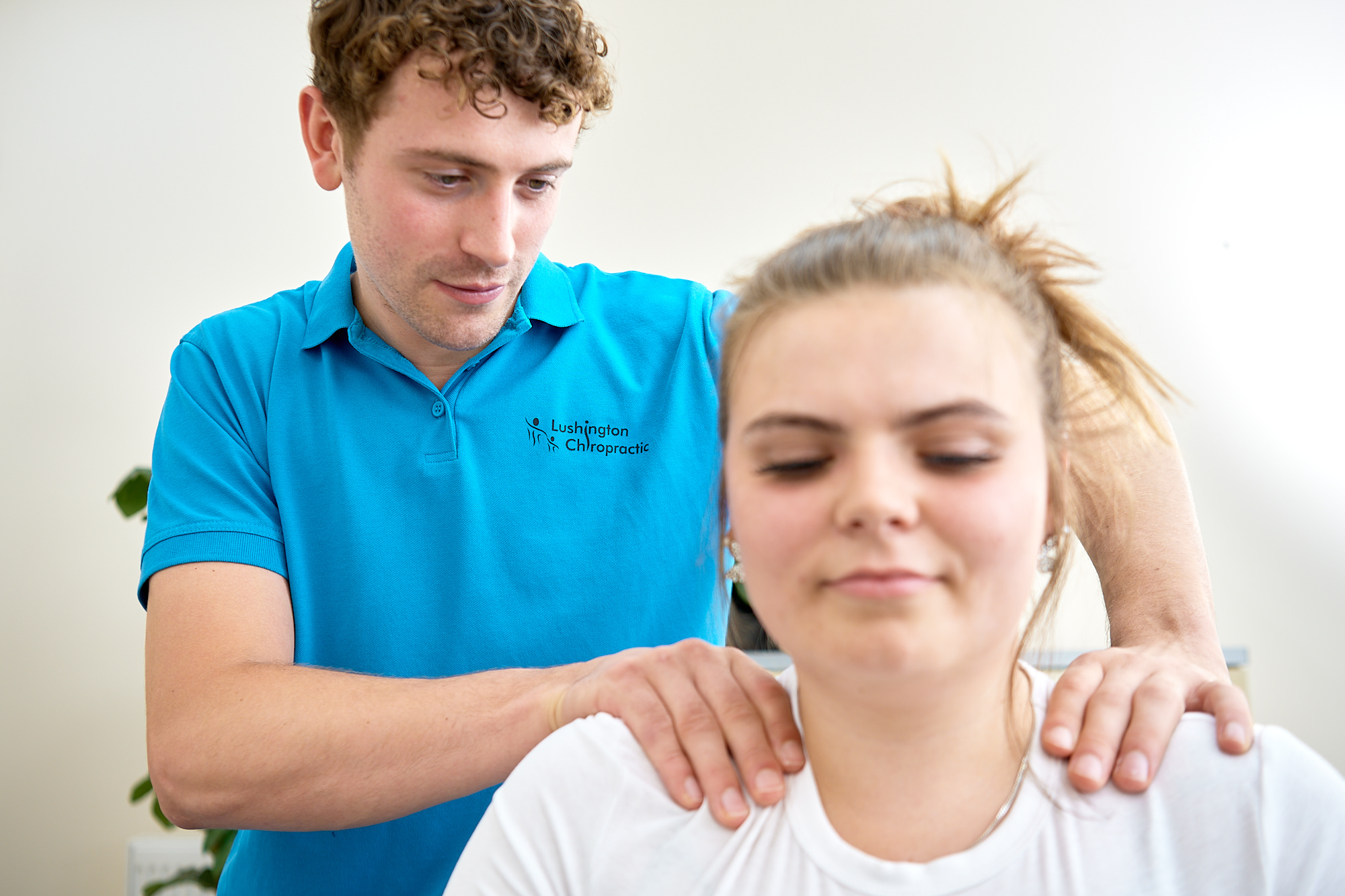
Chiropractic treatment can be really helpful for sciatica. Different causes of sciatica need different types of techniques and treatments.

At Lushington You’re the Priority

You’ll start with a detailed chiropractic consultation and examination. In some cases, your chiropractor may also use X-rays or MRI imaging to get to the root of the problem.

Your chiropractor will uniquely tailor your treatment plan to suit you. They may use massage, home stretches, exercises and acupuncture alongside chiropractic adjustments and self-help tips.

Everything is personally tailored to your goals and putting you back in control.

Our lovely team will soon have you feeling better and back to life as normal again.

Chiropractic Treatment for Sciatica FAQs

What to Expect When you See a Chiropractor for Sciatica

The General Chiropractic Council explain that chiropractors are trained to use a range of techniques when treating their patients.

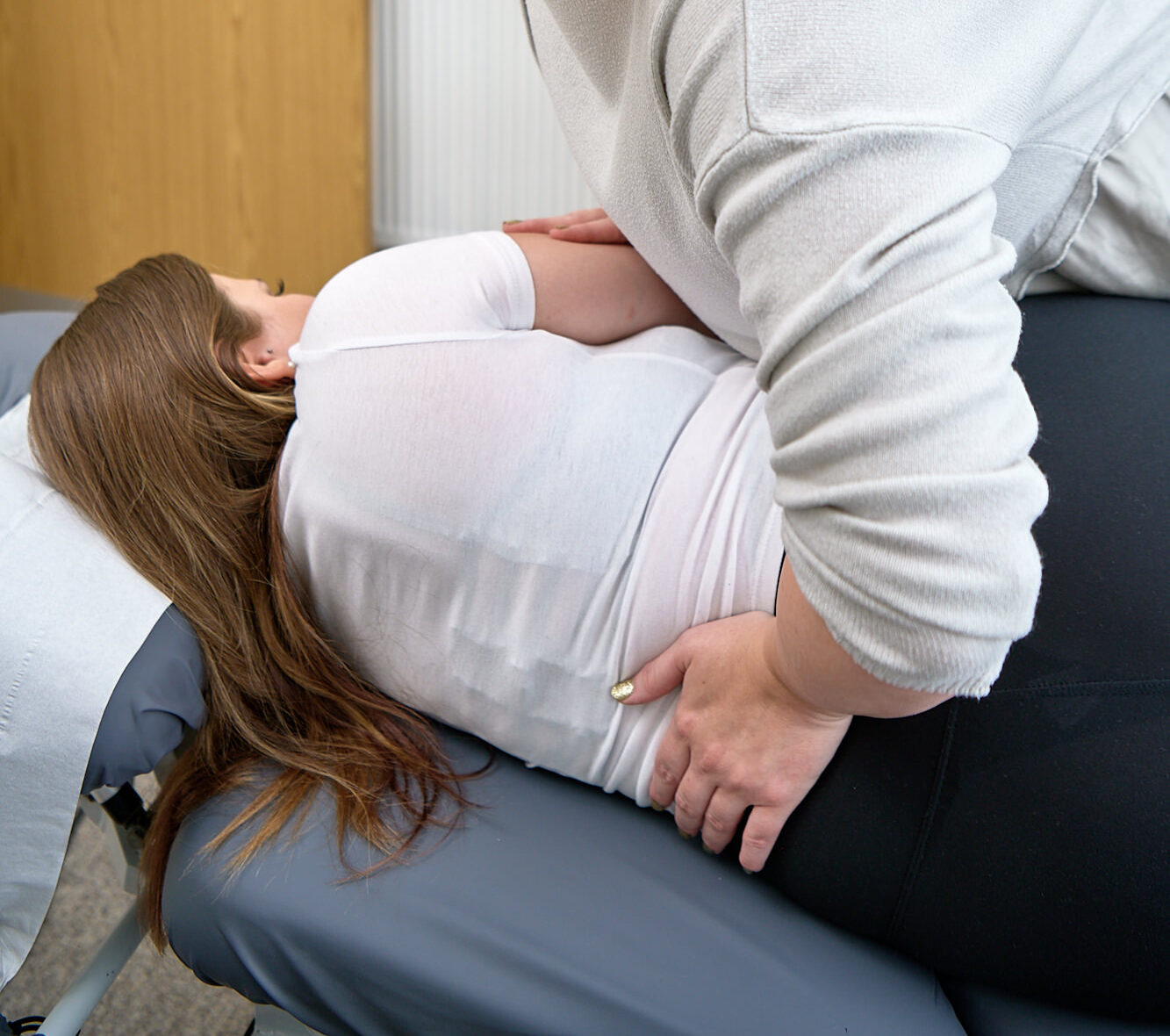
Chiropractors are best known for using manual methods of care, including spinal and joint manipulation (also referred to as ‘adjustment’) but may also use other hands-on or instrument-assisted approaches.

At our chiropractic clinic in Eastbourne, you’ll find that our chiropractors may share lifestyle tips, dietary or nutritional advice, exercises and strategies to manage stress and discomfort to help you manage your sports injury.

Before starting treatment, your chiropractor will assess your symptoms to determine if chiropractic treatment is right for you. They’ll assess your sports injury and what techniques are likely to help and whether there are any alternative or medical options that would suit you.

Chiropractors are trained to recognise when chiropractic treatment will not help a medical condition and will make a referral to your General Practitioner or another healthcare professional, if necessary.

Some people want treatment on their first visit. We can’t guarantee that, because we need to asses you first! However, if you want treatment on your first visit then mention it to your chiropractor at the start of the visit and they’ll do everything they can to help.

Does Chiropractic Treatment for Sciatica Hurt?

Your chiropractic treatment will be tailored to your specific needs and preferences. Some of the people who see us don’t like the pops and clicks, whereas others prefer a more physical approach.

Chiropractic treatment should always be within your personal comfort levels.

What Causes the Cracks with Chiropractic Treatment for Sciatica?

Chiropractic treatment is famous for pops and clicks.

However, they’re not essential. Everything we do is centred around your needs and preferences. If you’re worried about the noises then rest assured, there are lots (and lots) of no-clicky techniques that will help (as well as muscle work, exercises and advice).

WARNING PHYSICS HERE: These noises happened when little air bubbles (nitrogen gas) form in the joints. The bubbles form due to the joint freeing off, which creates more space. The joint fluid (liquid) needs to expand (forming a gas) to fill the space. This creates a “pop”.

The loudness of your pops and cracks are not necessarily that relevant.

Did you know: Some of the You Tuber chiropractors have been known to add extra “pops” and “cracks” to their videos in post-production, as treatments aren’t always that noisy.

How Long Does It Take to Get Better from Sciatica?

Chiropractors are well known for treating sciatica.

The question on your mind, though, is likely, "How long will it take for me to feel better?" The answer is, it varies.

Each person's body responds differently to treatment. The severity of the pain and the underlying condition will affect how fast you get better. However, many patients begin to feel improvement after just a few sessions. Long-lasting changes tend to take longer, weeks or months.

At Lushington Chiropractic we’ll discuss your prognosis and treatment plan with you. Your chiropractor will tailor your treatment to fit with your goals.

Even if you just want a short burst of care to help you out of a crisis that’s fine. Just let your chiropractor know so they can tailor your treatment plan to suit you.

Do I Have Acute Sciatica or Chronic Sciatica?

Acute sciatica is when sciatic symptoms (e.g. numbness, pain, tingles, weakness in the back and leg) have been present for less than around six-weeks.

"Acute sciatica" turns into "chronic sciatica" if you've been having the symptoms for more than six week period.

However, the good news is that there are several ways to help alleviate your pain and get you feeling your best again.

Life’s too short to let sciatica hold you back

TWO SCIATICA CASE STUDIES

Ted’s Sciatica pain: A case study

Ted is a 30 year old Accountant. He also enjoys running in his spare time. He has had pain in his lower back and bottom and leg for a while now and it is starting to really affect his day to day life. He describes it as a tingling sensation down the outside of the […]

Read more

Toby’s Sciatica: A Case Study on Sciatica

Toby, a 32-year-old bricklayer, had been experiencing twinges in his low back for a few months. He didn’t think much of it as it always felt better the next morning. Toby would occasionally take over-the-counter painkillers to get through the day at work. One morning, Toby lent forward to put his socks on and his […]

Read more

Our case studies are based on a typical patient presenting with this type of problem. They’re not based on any specific person.

Chiropractic, Sports Massage and Acupuncture for Sciatica in Eastbourne

Anyone who has had it knows how frustrating sciatica can be!

Thankfully, there are plenty of effective treatments that can help you get your quality of life back.

If you would like to see a chiropractor for your sciatica, most people report improvement with a course of visits. However, at Lushington Chiropractic we also offer sports massage and acupuncture for sciatica type problems. Your chiropractor will recommend what is best, or you are welcome to try just the massage or acupuncture on their own.

Sports Massage for Sciatica in Eastbourne

There are various types of massage techniques which help by relaxing tight muscles, easing painful knots (trigger points) in the muscles, increasing circulation and flexibility.

Massage therapy can help reduce pain and improve overall flexibility and mobility. Massage can also help reduce the effects of stress and improve relaxation, which can also help you cope with your sciatica.

Certain types of sciatica respond better to massage than others. It’s usually best to have a chiropractic consultation first so they can assess you.

If you want to go straight ahead with massage then our excellent, highly qualified and experienced team of massage therapists offer everything from sports massage and deep tissue, to relaxing techniques and holistic techniques like hot stones massage.

You don’t need to be a chiropractic patient to come for massage.

Your massage therapist will create a bespoke treatment plan to suit your needs and get you back to your best more quickly.

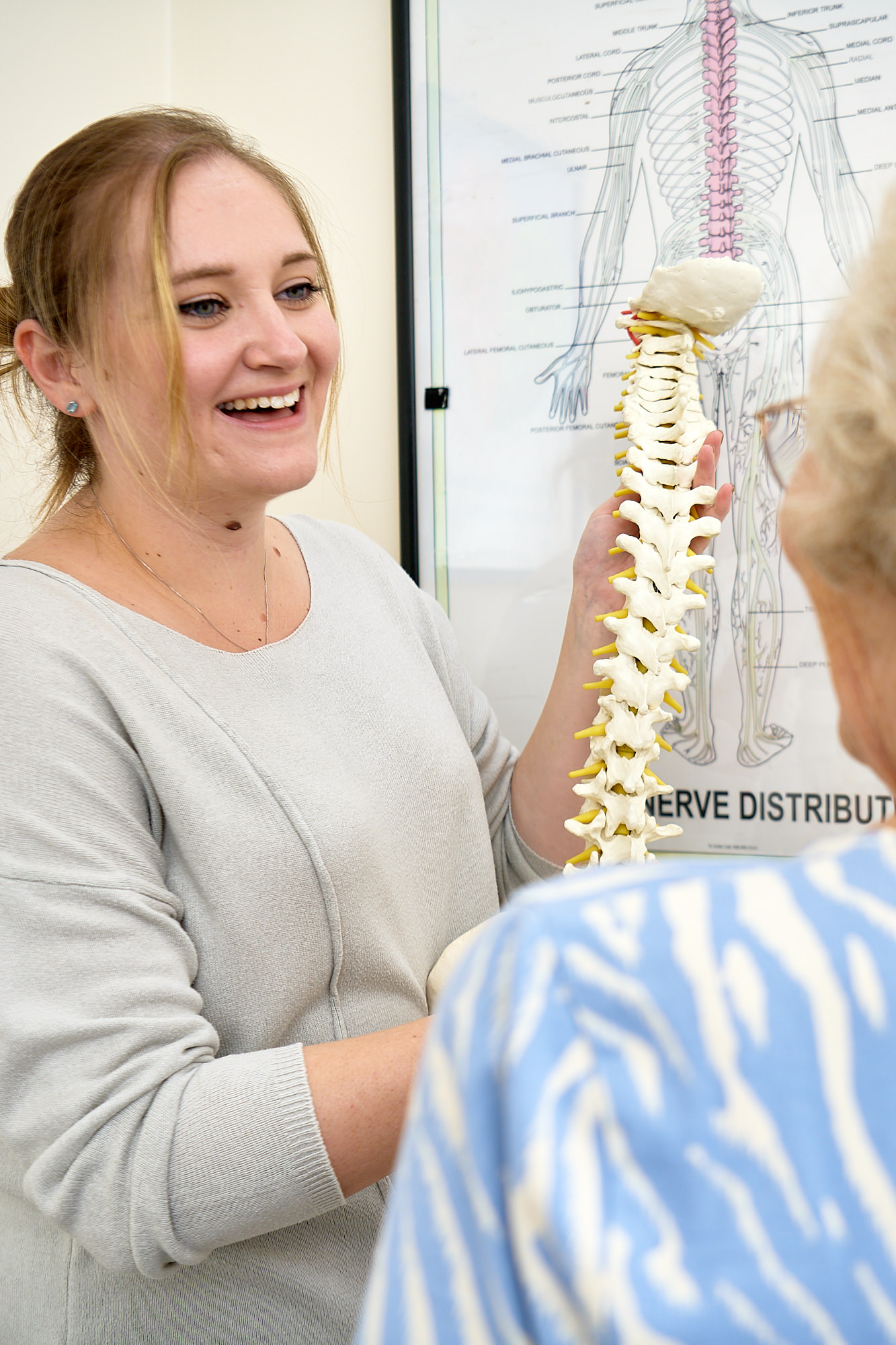
Image of a chiropractor showing a spinal model to a patient

Acupuncture for Sciatica in Eastbourne

Acupuncture is a safe and effective treatment that can help your sciatica.

By using needles to stimulate specific points on the body, acupuncture can help release tension and increase blood flow. This can help relieve sciatica problems by easing tension in the surrounding muscles.

With regular sessions, you may feel a significant improvement in your pain, allowing you to get back to the things you love.

It is understandable to be nervous, especially if you have not tried acupuncture before. However, the needles are so tiny you may not even feel them go in.

Combining Chiropractic or Massage with Acupuncture in Eastbourne

Most of our chiropractors and massage team are also qualified in acupuncture. They can combine their chiropractic and massage treatments with acupuncture if you’d like.

Do you want to have acupuncture combined within your massage or with your chiropractic treatment? Then just ask when you book and tell your practitioner when you see them.

You can also just have acupuncture if that’s what you prefer.

If you’ve got any questions or would like to find out anything in advance, don’t hesitate to call 01323 722499.

Chiropractic in Eastbourne – More than Just Sciatica

If you’re tired of living with pain, book an appointment with one of our highly qualified chiropractors in Eastbourne. We’ll help you start your journey back to a pain-free life again.

QUESTIONS

Complimentary Chat to Discuss Your Sciatica with a Chiropractor in Eastbourne

At Lushington Chiropractic we offer a complimentary chat service, where a chiropractor or massage therapist will happily talk over any concerns you’ve got in advance.

If you’re worried about anything in particular, rest assured our team will be more than happy to help. We’re used to helping nervous patients and will be happy to adjust our approach or techniques to suit your needs.

Common Misconceptions about Sciatica

Sciatica is a common health issue that as many as 40% of us will suffer in our lifetime. Unfortunately, there are several misconceptions about sciatica that persist despite scientific evidence to the contrary. Here are some of the most common misconceptions:


Sciatica is Caused by a Herniated Disc (Slipped Disc)

While herniated discs are a common cause of sciatica, they are not the only cause. Other conditions, such as spinal stenosis or piriformis syndrome, can also result in symptoms of sciatica.


Bed Rest is Best Sciatica

While rest may be helpful during the acute phase of sciatica, prolonged bed rest can actually worsen symptoms and delay recovery. Physical therapy, exercise, and other self-care measures are often more effective treatments for sciatica.


Worried You’ll Need Surgery for Your Sciatica?

While surgery may be necessary in some cases of severe or long-lasting sciatica, the majority of cases can be successfully treated with non-surgical interventions, such as physical therapy, medications, and injections.


Sciatica Only Affects Older People with Arthritis

While sciatica is more common in older adults, it can affect people of all ages, including children and young adults.


Exercise and Activity Make Sciatica Worse

While it’s important to avoid activities that aggravate symptoms during the acute phase of sciatica, exercise and physical activity are important components of recovery and can help prevent further episodes of sciatica.

Anatomy of Sciatica and The Sciatic Nerve

The sciatic nerve is the largest nerve in the human body, extending from the lower back down through the buttocks and into the legs. It is formed by several nerve roots that exit the spinal cord in the lower back and come together to form a single nerve.

The sciatic nerve is comprised of two main branches, the tibial nerve and the common peroneal nerve, which separate at the knee and continue down into the foot and ankle. These branches are responsible for transmitting signals from the brain to the leg and foot muscles, as well as carrying sensory information from the leg and foot back to the brain.

The sciatic nerve passes through several muscles and structures along its path, including the piriformis muscle in the buttocks, the hip joint, and the space between the vertebrae in the lower back. Compression or irritation of the sciatic nerve at any point along this path can cause symptoms of sciatica, such as pain, numbness, and tingling in the lower back, buttocks, or legs. Understanding the anatomy of the sciatic nerve is important in diagnosing and treating sciatica, as healthcare providers can pinpoint the location of compression or irritation and develop an appropriate treatment plan to relieve symptoms and improve mobility.

Self-Help Tips for Sciatica

Sciatic pain affects millions of people worldwide and can be caused by a variety of factors such as poor posture, strain, injury, or underlying medical conditions. Suffering from sciatica can be debilitating, affecting all aspects of life from simple daily tasks to participation in beloved hobbies.

Thankfully, there are plenty of ways that we can help ourselves avoid or minimise sciatic pain, by making some changes or adjustments to how we lead our everyday lives. The following are some of the main ways in which we can help ourselves to manage our own pain:

Exercise for Sciatic Pain

Sciatica can be an incredibly painful and uncomfortable condition that affects the lower back and legs. While rest may seem like the easiest solution, it’s important to keep moving and perform specific exercises to alleviate symptoms. Exercises that focus on stretching and strengthening the muscles in the lower back and legs can help relieve pressure on the sciatic nerve, reducing pain and improving mobility. Work with a physical therapist or read up on exercises specifically designed for sciatica to find the best routine for you. Remember to start slow and listen to your body, gradually increasing the intensity and duration of your exercise routine over time. With a consistent exercise regimen, you can help manage your sciatica symptoms and improve overall quality of life.

With consistent exercise and proper guidance, sciatic pain can become a thing of the past, leading to a more optimistic outlook on life.

Here are some links to blogs we’ve written on self-help exercises:
https://chirocare.co.uk/wp-content/uploads/2024/12/image-76.jpg

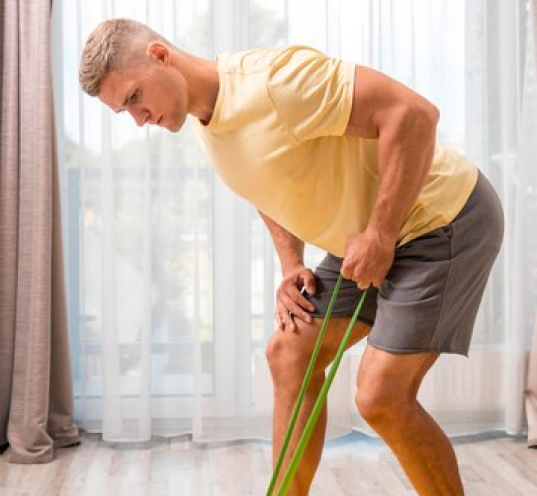
One of the most common questions I get asked at the chiropractic clinic in Eastbourne is: “What can I do at home to help my Sciatica?”

If you have suffered with sciatica in the past, you will know how painful and debilitating it is to everyday life. It is really important, and quite reassuring, that people who come in to see me with sciatica are willing to try to help themselves at home alongside their chiropractic treatment.
https://chirocare.co.uk/wp-content/uploads/2024/09/0321f895acb9a373712bc6a4f7273d33.png

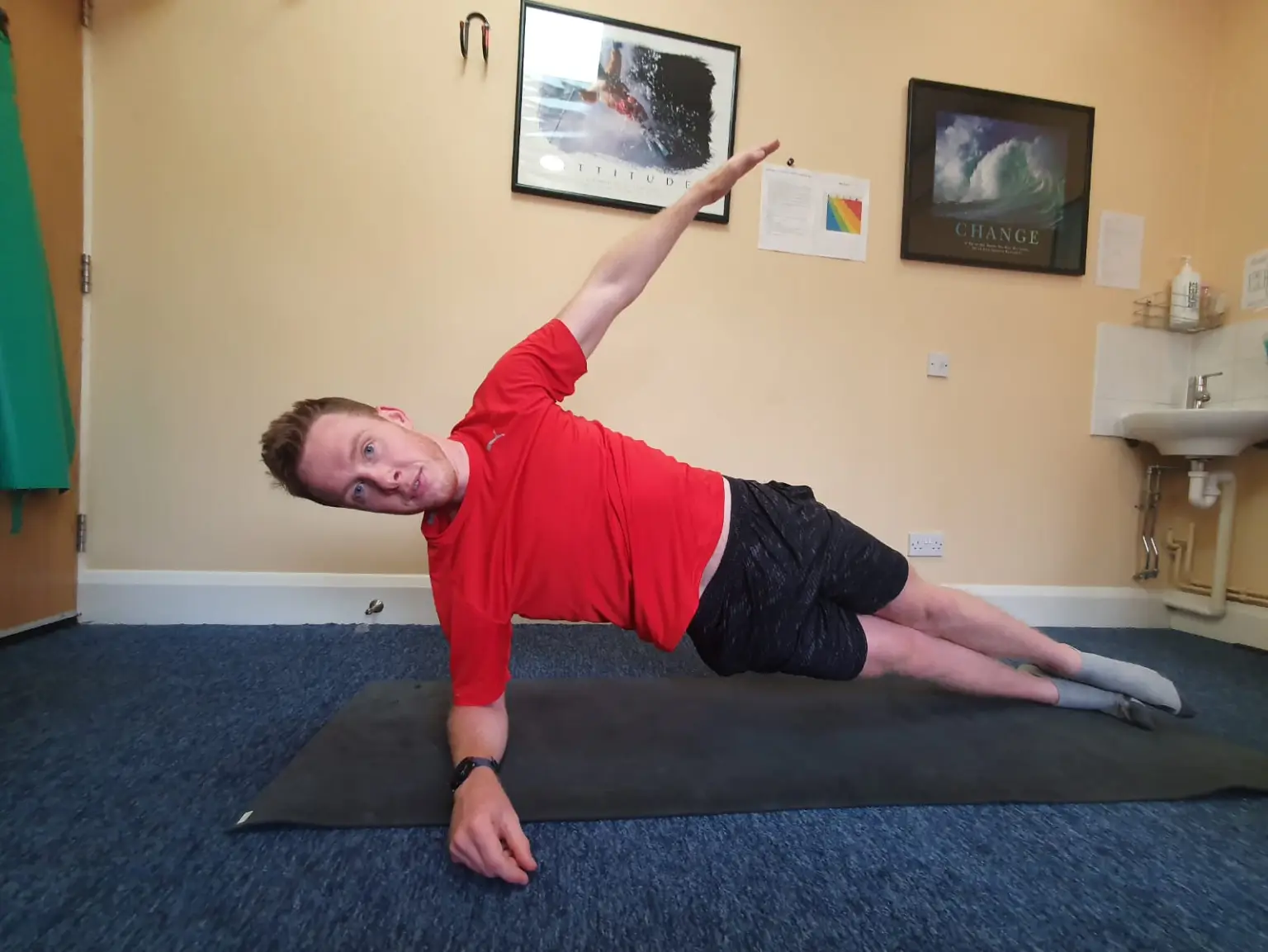
Spinal stability is achieved by “stiffening” the muscles around the low back and abdomen AND teaching your body to move in a spine-sparing way (spine-sparing means that the hips do most of the movement rather than the spine).

These “Big 3” exercises create a core strength that enhances stability in the low back. Each exercise targets different muscles involved in creating this …
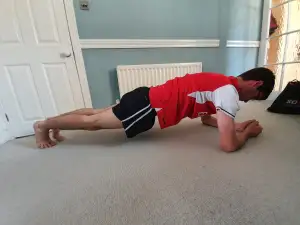
https://chirocare.co.uk/wp-content/uploads/2024/09/982e18557c7f74f66b51a0858eb0f74c.png

Exercises during lockdown have been key to coping without my regular chiropractic adjustments. As a chiropractor in Eastbourne I am used to being active with my job so changes in activity have affected my body. I am now missing my adjustments and also sitting more and adopting some odd postures too. The exercises I have found most useful target posture and glute activation.
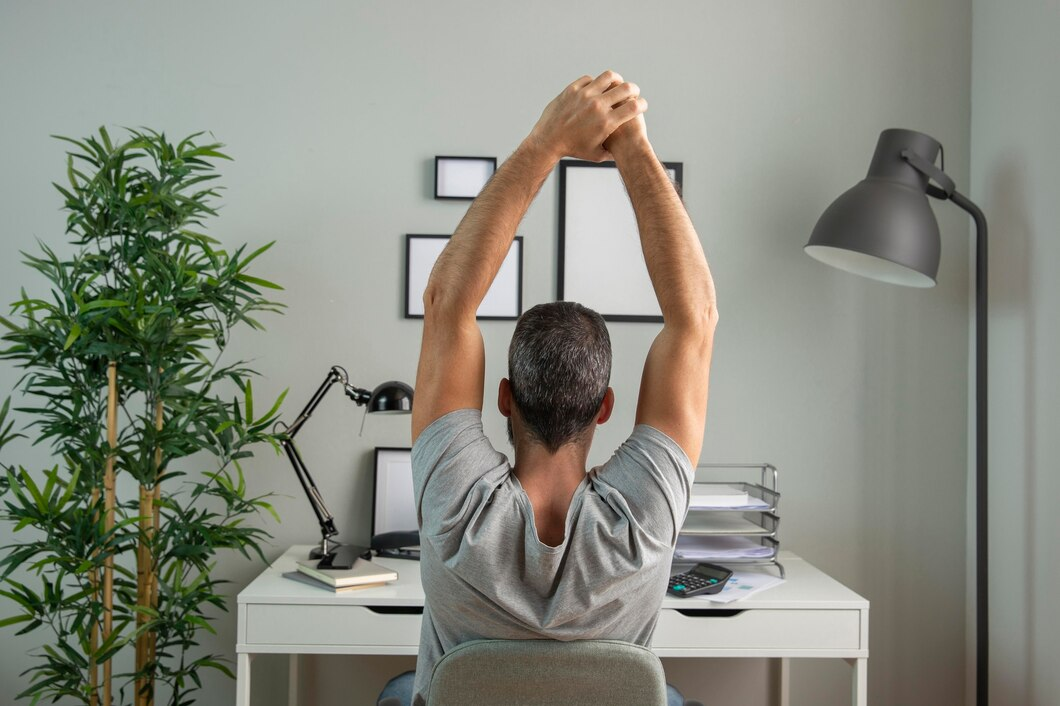

Good Posture

Good posture can be an essential factor in preventing and managing sciatica. Maintaining proper alignment between the spine and pelvis is key to reducing pressure on the sciatic nerve. When the spine is aligned correctly, it can take stress off the lower back and hip muscles, which can also reduce pain and discomfort. It’s important to be mindful of sitting and standing positions, as poor posture can lead to spinal misalignment and exacerbate sciatic nerve irritation. By sitting up straight, distributing weight evenly on both feet while standing, and avoiding slouching, individuals can help promote good posture and potentially alleviate sciatica symptoms.

Good posture not only improves your physical health, but it also affects your confidence and overall well-being. So, stand up tall, roll your shoulders back and take a deep breath. Your body will thank you.

Here are some links to blogs we’ve written on posture:

https://chirocare.co.uk/wp-content/uploads/2024/12/image-56.jpg

Posture is a hot topic at the moment. I’m seeing a lot of people from across Eastbourne who’ve been working from home more now since Covid, who want to improve their posture. If you’re struggling with poor posture can make you unbalanced and cause a number of problems up and down the body.

https://chirocare.co.uk/wp-content/uploads/2024/12/image-44.jpg

Have you been told you’ve got hunched posture? Are you worried your mobile phone’s contributing to the problem?

Think about it: when using our mobile we tend to drop our heads forward, rounding our shoulders resulting in a hunched posture.

Heat or Ice for Sciatic Pain?

If you’re dealing with pain, applying heat or ice can make a world of difference. While both options can feel nice, we generally recommend ice.

Ice is not only numbs the area but reduces circulation and calms swelling and inflammation, which is a major issue for plantar fascia pain.

ADVICE

Lushington Chiropractic Ice Advice

Wrap an ice pack up in a towel. You shouldn’t put it directly on the skin. Put it on the painful area for 5-10 minutes, or take it off sooner if it’s too cold i.e. “painfully cold”. 

Do this 4 to 6 times a day depending on how bad the pain is.

We usually recommend ice for sciatica. On the other hand, in some cases of chronic pain heat can be helpful. Heat eases the pain by improving blood flow, relaxing muscles and providing soothing relief.

Beware however as the increased blood circulation can increase your back ache after you’ve taken the heat away. It can be particularly unhelpful to sit and rest (or sleep) after you used heat as the swelling and inflammation can just build up and you’re stiffer than ever in the morning.

If in doubt use ice.

Lushington Chiropractic Heat Advice

Gently warm a hot pack in the microwave. It shouldn’t be hot, just a soothing warmth easing the painful area.

Leaving ice or heat on too long can cause further damage, so do seek professional advice if you’re unsure.

By incorporating heat or ice into your pain management routine, you can take control of your symptoms and get back to living a pain-free life.

Ergonomic Furniture

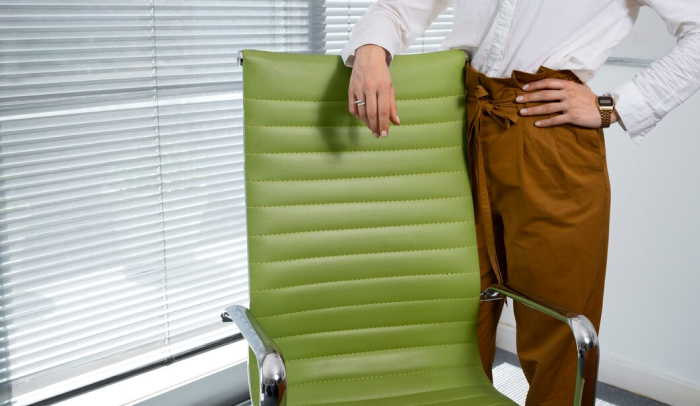
Ergonomic furniture is designed to support your body’s natural alignment, ergonomic chairs and desks keep your spine in a neutral position, reducing the risk of injury and pain. It helps you look after your posture when you’re working or relaxing.

Whilst ergonomic furniture can be helpful it isn’t a magic fix. Firstly, it’s important to know that the term ergonomic isn’t protected in anyway. Anyone can use it for any product. Secondly, simply having the right furniture won’t fix you. What’s more important is how you sit, stands, lie and move. It’s possible to use ergonomic furniture badly, putting strain on your muscles and joints.

We’d always advise you first fix your posture and movement habits before buying expensive ergonomic furniture.

Here are some links to blogs we’ve written on ergonomics:

https://chirocare.co.uk/wp-content/uploads/2024/12/image-20.jpg

How many hours do you spend sitting at a desk? If it’s anything like most of us, then the answer would be ‘a lot’!

In my previous jobs, before retraining as a chiropractor, I spent between 7 and 9 hours per day sitting down in front of a PC. That’s a HUGE proportion of the day. A bad desk setup or chair can have a big impact on how you feel and how your spine works simply because of the time spent in that position.

https://chirocare.co.uk/wp-content/uploads/2024/12/image-21.jpg

My name is Emma and I’m a chiropractor working in Eastbourne. We all know that since March 2020 the world turned upside down, and many of us are getting used to a new ‘normal’ way of life.

As a chiropractor in Eastbourne, this means getting used to new PPE procedures, but for a large population of Eastbourne it also means adapting to …

Getting Enough Rest

It’s no secret that sciatica can be a real bother, but did you know that a good night’s rest could be the key to relieving your discomfort? Restful sleep is an essential component of a healthy lifestyle, and it can play a big role in managing sciatic pain.

When you sleep soundly, your body is given the opportunity to repair and regenerate, which can have a real impact on the inflammation and stiffness associated with back problems. So, whether you’re dealing with an acute injury or a long-term condition, prioritising your sleep habits are important. With a little dedication and some healthy practices, you might just find that you wake up feeling better than ever before.

Healthy Diet

To some extent a healthy diet can help with some types of pain. A balanced diet rich in nutrients such as calcium, magnesium, and vitamins D and K can promote bone and joint health.

Additionally, anti-inflammatory foods, such as omega-3 fatty acids found in fish or flaxseed, can decrease inflammation in the body and reduce pain levels. A diet high in fruits and vegetables, which are rich in antioxidants, can also promote overall wellbeing by reducing oxidative stress and inflammation.

Coupling a healthy diet with exercise can further strengthen your spine and support your body. Making small, sustainable changes to your eating habits can have a significant impact on your sciatic pain and overall health, so make sure to prioritize a balanced diet.

Managing Stress and Mental Health

Suffering from sciatic pain can be a debilitating experience that affects every aspect of your daily life. There’s a well-known link between chronic (long-term) pain, mental health and depression.

So, as well as the various treatments for your back pain, it’s also worth doing what you can to manage your mental health as well.

Stress and mental health can cause muscle tension and inflammation, which exacerbates sciatic pain. When we’re depressed and fed up, our pain threshold lowers and we feel more sensitive to aches and pains. By managing stress through techniques like breathing exercises, meditation, or yoga you can help yourself feel better. Managing your stress and mental health, sleep routines, having a healthier diet and exercising will help you feel better in lots of ways.

So don’t ignore the power of stress management when seeking relief from sciatic pain, take control of your stress levels and improve your quality of life.

What do You Want to Do Next?

For Podiatry, Acupuncture, Sports Massage, Sports Therapy or to see a Chiropractor in Eastbourne Call 01323 722499

Request a Call Back

    I'm not a robot*

    By checking this, I understand all the Terms & Condition and Privacy Policy

    Thank you!

    Thank you for contacting Lushington Chiropractic, a member of our team will be in touch as soon as possible to discuss your inquiry.