Knee Pain is Always Caused by Injury
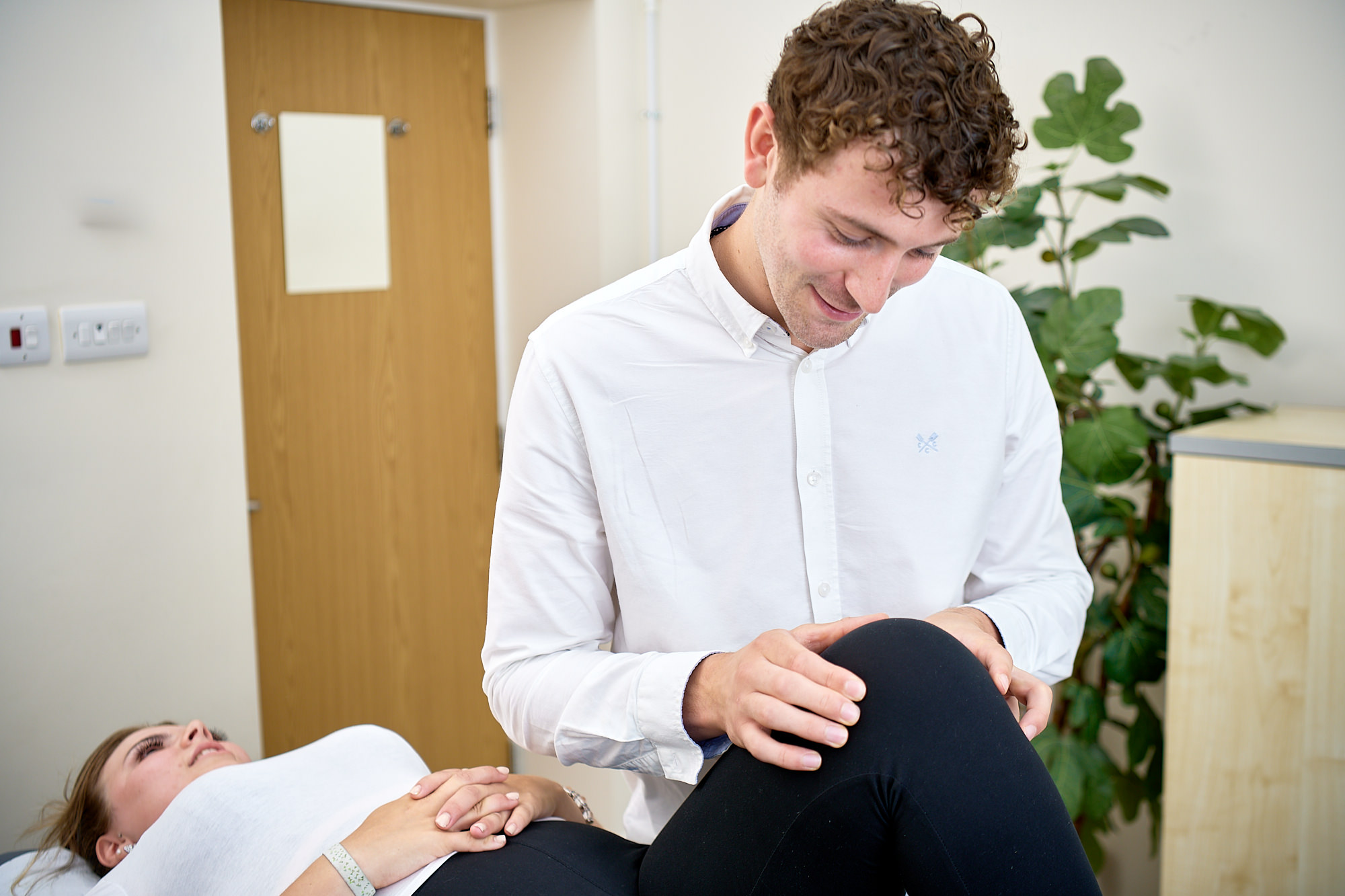
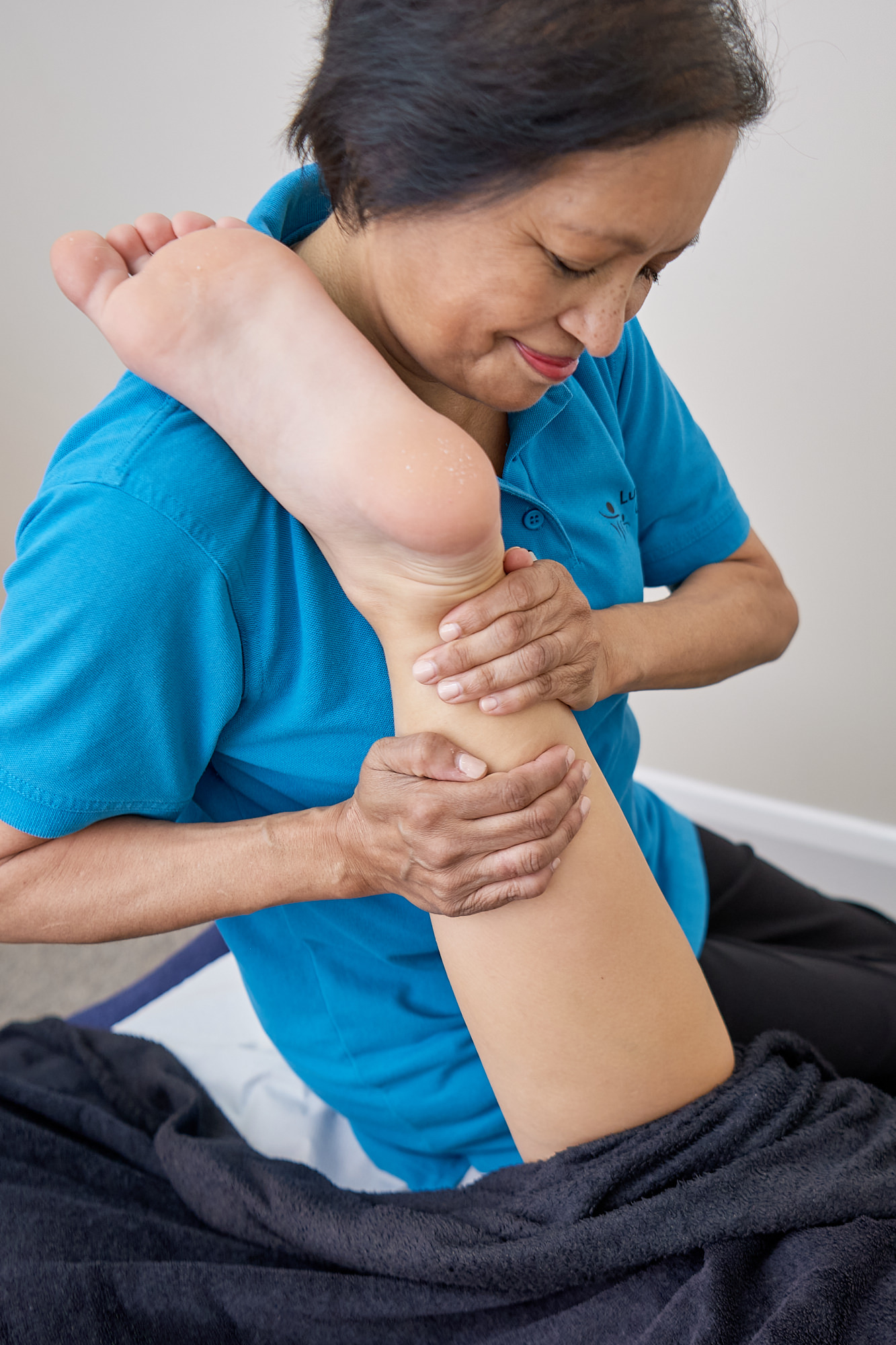
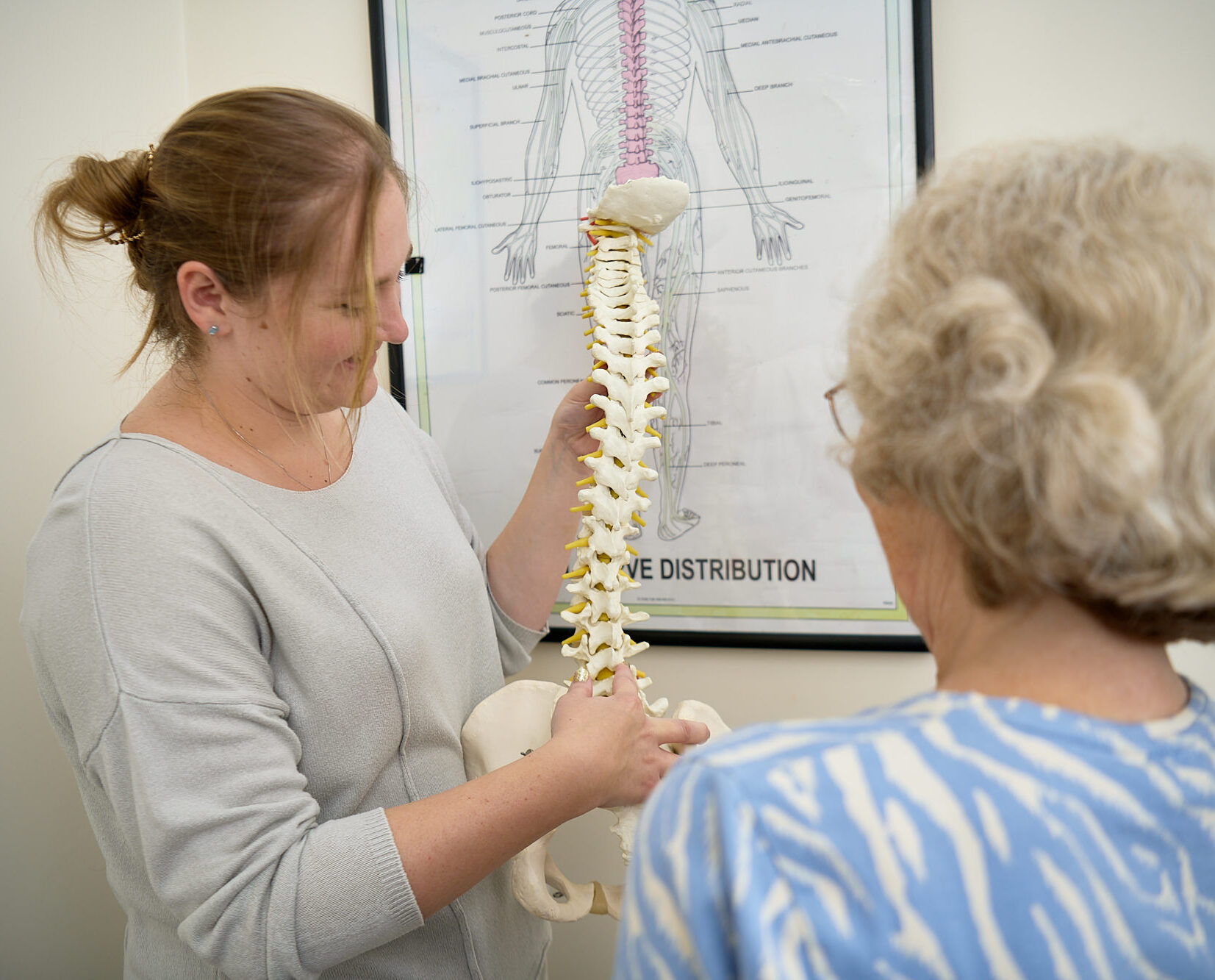
While injuries are a common cause of knee pain, there are many other factors that can contribute to knee pain, including arthritis, overuse and poor posture. Knee pain often develops gradually over time without any obvious injury. In those circumstance we often find it’s important to check the patient’s foot and hip to see if there are any problems there that may be causing the knee pain.
Knee Pain Means you Need Surgery and Injections
Surgery is not always necessary for knee pain. In fact, many cases of knee pain can be managed with non-surgical treatments such as rest, chiropractic and medication.
Knee Pain a Normal Part of Ageing
While knee pain is more common in older adults due to the natural wear and tear on the joints, it can affect people of all ages. Athletes and active individuals, in particular, may be at risk for knee injuries that can cause pain.
Just like pain anywhere – don’t write it off as old age.
It’s worth remembering your knees are the same age as each other. If one’s achy and the other’s not then it can’t simply be old age! It means something’s not functioning properly (and hasn’t been for a long time) which is resulting in pain.
Listen to your body. Don’t ignore it.
Running is Bad for Your Knees
Running itself is not necessarily bad for your knees, but overuse, bad technique, weak or stiff muscles and can lead to knee pain. The risks of knee pain with running increase if you are over-weight or deconditioned. Whilst running isn’t necessarily bad for your knees, it’s important to balance any running with resistance training (e.g. lunges) and stretches to keep your hips, knees, ankles and all the associated muscles functioning well.
There are safer ways to get fit than running. If you are going to take up running you must balance it with stretches and other exercises – you can ask your chiropractor for advice.
Knee Pain will Go Away on Its Own
While some cases of knee pain may improve with rest and self-care, other types of knee pain need proper assessment, diagnosis and treatment of the underlying cause.