




Is plantar fasciitis making life miserable?

Plantar Fasciitis Treatment in Eastbourne

We know how frustrating it is when plantar fasciitis holds you back.

As well as being frustrating, plantar fasciitis can put your life on hold, restricting your mobility and affecting your quality of life.

When you’re in pain what you want most is relief.

Our excellent chiropractors and sports massage team will work closely with you to find the cause of your plantar fasciitis and work out a personalised plan of care to get you better.

We are passionate about helping you achieve your goals and get your life back.

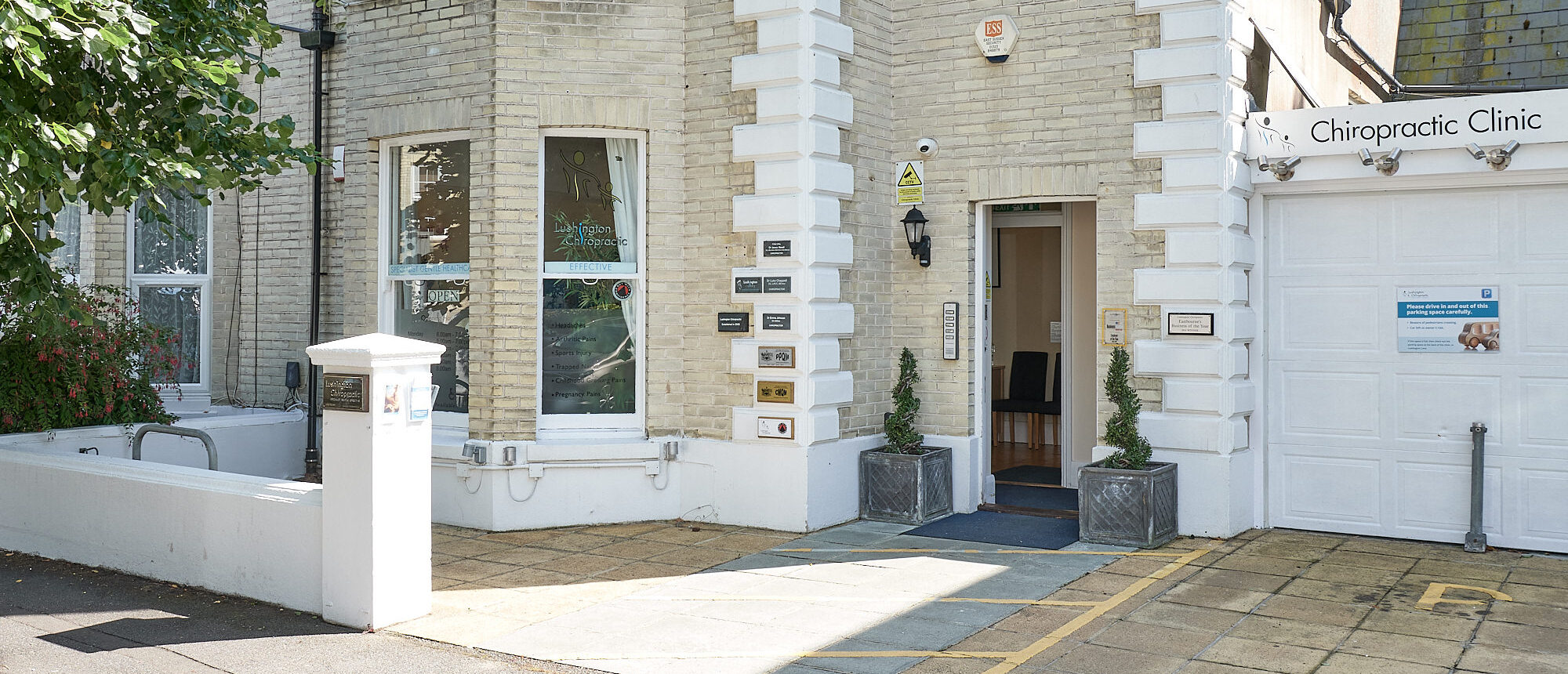
Call now or book online to see one of our lovely chiropractors or massage therapists.

What Is Plantar Fasciitis?

Plantar fasciitis is a painful condition affecting the sole of the foot, most commonly felt around the heel. It is caused by inflammation of the plantar fascia, a thick band of tissue that runs across the bottom of the foot.

According to research conducted by the NHS in the UK, plantar fasciitis is a relatively common condition, with an estimated 1 in 10 people experiencing it at some point in their lives. It’s more common in women than men. It’s more common over the age of 40, especially if you’re overweight or have flat feet. Other high-risk groups are runners and people who are on their feet a lot (e.g. for work).

The same study found that plantar fasciitis is often associated with other medical conditions such as osteoarthritis, rheumatoid arthritis and lupus.

Plantar fasciitis can also be caused by wearing shoes with poor arch support or cushioning, walking or standing on hard surfaces for long periods of time and activities that put repeated stress on the feet, such as running or jumping.

Your chiropractor will uniquely tailor your treatment plan to suit you. They may use massage, home stretches, exercises and acupuncture alongside chiropractic adjustments and self-help tips.

Common Misconceptions about Plantar Fasciitis

There are several common misconceptions about plantar fasciitis that can lead to confusion and misinformation. Some of these include:


Plantar Fasciitis Only Affects Athletes

While athletes are at a higher risk of developing plantar fasciitis due to the repetitive strain on their feet, this condition can affect anyone.


It’ll Soon Be Better

Plantar fasciitis can be a real pain (excuse the pun). It can take weeks and often months to resolve. In some cases it can still grumble on for years. The sooner you start to take better care of your feet the faster your recovery will be.


If I Rest Enough It’ll go On Its Own

While rest is important for allowing the plantar fascia to heal, it is not the only treatment option. Stretching exercises, chiropractic therapy and the use of orthotics or arch supports can also help reduce pain and inflammation.


Surgery is Always Necessary

Surgery is typically only recommended for severe cases of plantar fasciitis that do not respond to other treatments. In most cases, non-surgical treatments are effective in reducing symptoms and improving function.


You Can’t Exercise with Plantar Fasciitis

The bad news is that high-impact activities like running do need to be avoided. The good news is that low-impact exercises like swimming or cycling can continue. That’s why plantar fasciitis can be such a depressing condition for runners and sports people. The last thing they want to do is rest. Especially as plantar fasciitis can take so long to recover.
Our advice is to focus on what you can do, rather than what you can’t. For example, you can try: weightlifting; balance exercises; upper body activities; skill-based sports (e.g. golf); yoga and stretch routines. It’s not easy but you don’t have any choice. If you ignore your plantar fascia problem and keep running on it, then it won’t go away and will probably get worse. The extra good news is that treatment helps. There are a variety of treatment and self-help approaches that will help your recovery.


Plantar Fasciitis Will Go Away On Its Own

While some cases of plantar fasciitis may resolve on their own with rest and time, others may require medical intervention to properly manage and alleviate symptoms.


It’s important to understand the facts about plantar fasciitis in order to best manage and treat this condition. We’ve included some self-help tips in this website, but it’s also useful to consult with a healthcare provider or specialist for guidance on how to properly address your plantar fasciitis.

Anatomy of the Plantar Fascia

The plantar fascia is a thick band of fibrous tissue that runs along the bottom of the foot from the heel bone to the toes. It is comprised of three distinct parts:


Medial Band

The largest and strongest part of the plantar fascia is the medial band. It runs from the inside of the heel bone to the base of the big toe, along the underside of the arch of your foot.

Lateral Band

This part of the plantar fascia runs along the outside of your foot. It runs from the heel bone to the base of the little toe. The lateral band is the part that runs along the flatter part of your foot.

Central Band

This is the thinnest and weakest part of the plantar fascia. It runs centrally between your medial (big toe side) and lateral (little toe side) fibrous bands.

Chiropractic Treatment for Plantar Fasciitis in Eastbourne

Chiropractic treatment can be really helpful for plantar fasciitis. Different causes of plantar fasciitis need different types of techniques and treatments.

At Lushington You’re the Priority

You’ll start with a detailed chiropractic consultation and examination. In some cases, your chiropractor may also use X-rays or MRI imaging to get to the root of the problem.

Your chiropractor will uniquely tailor your treatment plan to suit you. They may use massage, home stretches, exercises and acupuncture alongside chiropractic adjustments and self-help tips.

Everything is personally tailored to your goals and putting you back in control.

Our lovely team will soon have you feeling better and back to life as normal again.

Plantar Fasciitis Treatment FAQs

What to Expect When you See a Chiropractor in Eastbourne for Plantar Fasciitis FAQs

The General Chiropractic Council explain that chiropractors are trained to use a range of techniques when treating their patients.

Chiropractors are best known for using manual methods of care, including spinal and joint manipulation (also referred to as ‘adjustments’) but may also use other hands-on or instrument-assisted approaches.

At our chiropractic clinic in Eastbourne, you’ll find that our chiropractors may share lifestyle tips, dietary or nutritional advice, exercises and strategies to manage stress and discomfort to help you manage your plantar fasciitis.

Before starting treatment, your chiropractor will assess your symptoms to determine if chiropractic treatment is right for you. They’ll assess you to determine which techniques are likely to help and whether there are any alternative or medical options that would suit you.

Chiropractors are trained to recognise when chiropractic treatment will not help a medical condition and will make a referral to your GP or another healthcare professional, if necessary.

Some people want treatment on their first visit. We can’t guarantee that, because we need to asses you first! However, if you want treatment on your first visit then mention it to your chiropractor at the start of the visit and they’ll do everything they can to help.

Does Chiropractic Treatment for Plantar Fasciitis Hurt?

Your chiropractic treatment will be tailored to your specific needs and preferences. Some of the people who see us don’t like the pops and clicks, whereas others prefer a more physical approach.

Chiropractic treatment should always be within your personal comfort levels.

What Causes the Cracks with Chiropractic Treatment for Plantar Fasciitis?

Chiropractic treatment is famous for pops and clicks.

However, they’re not essential. Everything we do is centred around your needs and preferences. If you’re worried about the noises then rest assured, there are lots (and lots) of no-clicky techniques that will help (as well as muscle work, exercises and advice).

WARNING PHYSICS HERE: These noises happen when little air bubbles (nitrogen gas) form in the joints. The bubbles form due to the joint freeing off, which creates more space. The joint fluid (liquid) needs to expand (forming a gas) to fill the space. This creates a “pop”.

The loudness of your pops and cracks are not necessarily that relevant.

Did you know: Some of the chiropractors on YouTube have been known to add extra “pops” and “cracks” to their videos in post-production, as treatments aren’t always that noisy.

How Long Does It Take to Get Better from Plantar Fasciitis?

Chiropractors are well known for treating plantar fasciitis.

The question on your mind, though, is likely, "How long will it take for me to feel better?" The answer is, it varies.

Each person's body responds differently to treatment. The severity of the pain and the underlying condition will affect how fast you get better. However, many patients begin to feel improvement after just a few sessions. Long-lasting changes tend to take longer, weeks or months.

At Lushington Chiropractic we’ll discuss your prognosis and treatment plan with you. Your chiropractor will tailor your treatment to fit with your goals.

Even if you just want a short burst of care to help you out of a crisis that’s fine. Just let your chiropractor know so they can tailor your treatment plan to suit you.

Do You Have Acute or Chronic Plantar Fasciitis?

Acute plantar fasciitis has been present for less than around six weeks. Chronic plantar fasciitis is pain that has continued beyond the initial six week period. Chronic plantar fasciitis may be present for many weeks, months, or even years.

However, the good news is that there are several ways to help alleviate your pain and get you feeling your best again.

Life’s too short to let plantar fasciitis hold you back.

two plantar fasciitis CASE STUDIES

Ian’s painful plantar fasciitis: A case study

Ian, a 48 year old estate agent has been experiencing a lot of pain on the sole of his right foot. He finds it very painful first thing in the morning when he is getting ready for work but does notice it gets easier the more he walks around. Ian also likes to run and […]

Read more

Plantar Fasciitis: A Case Study

Hi there, I’m James the Clinic Director and chiropractor here at Lushington Chiropractic in Eastbourne. Sadly, simply qualifying as a chiropractor doesn’t automatically make you immune to aches, pains and injuries. But suffering with the same things as your patients not only helps you to empathise with their situation but it also means you’re familiar […]

Read more

Our case studies are based on a typical patient presenting with this type of problem. They’re not based on any specific person.

Chiropractic, Sports Massage and Acupuncture for Plantar Fasciitis in Eastbourne

Dealing with plantar fasciitis can be a frustrating experience – anyone who has suffered with it knows how debilitating it can be. Thankfully, there are plenty of effective treatments that can help you get your quality of life back.

If you want to see a chiropractor in Eastbourne for your plantar fasciitis then most people report improvement within a few visits. However, at Lushington Chiropractic we also offer sports massage and acupuncture for plantar fasciitis problems.

Sports Massage for Plantar Fasciitis in Eastbourne

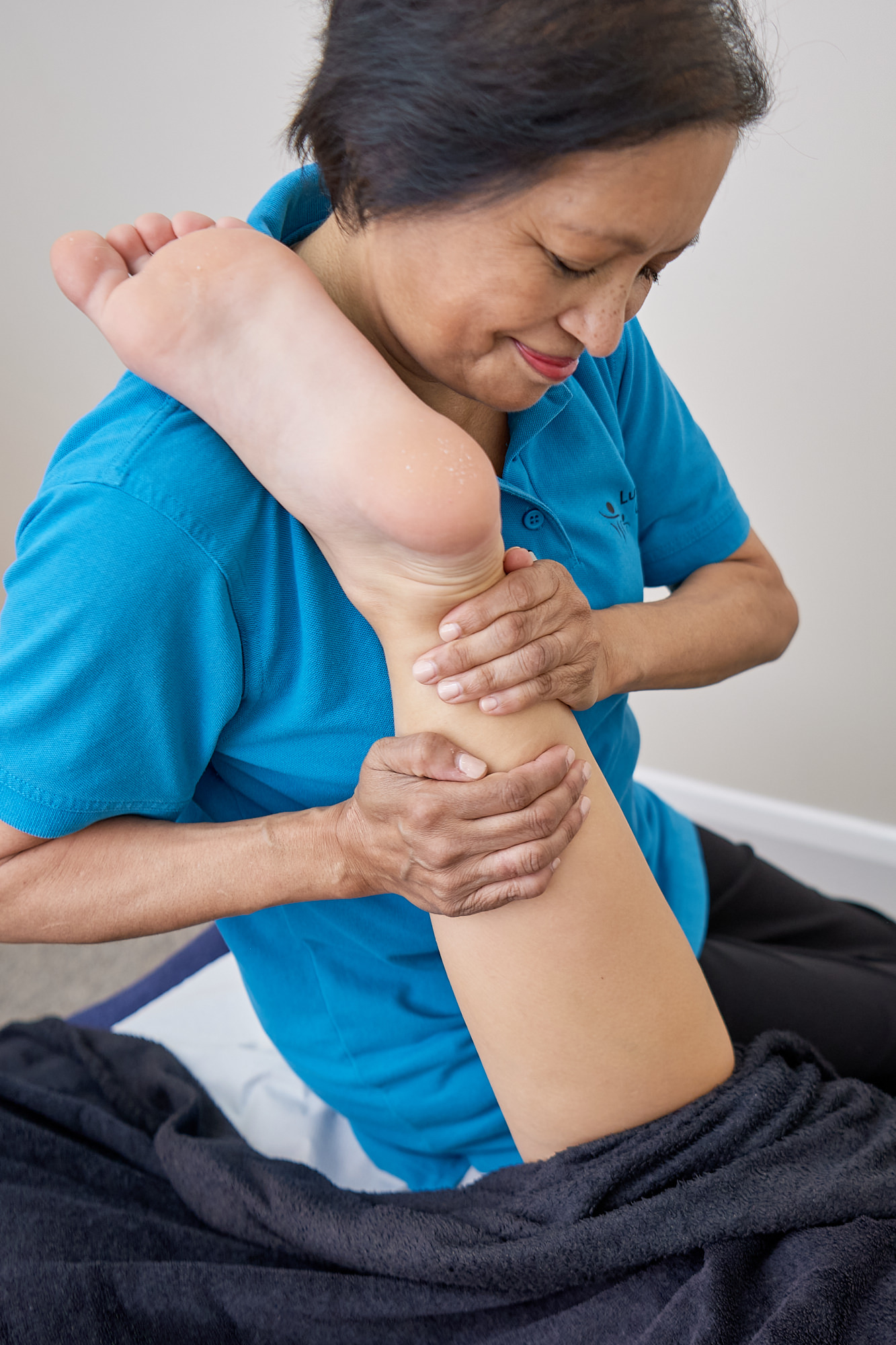
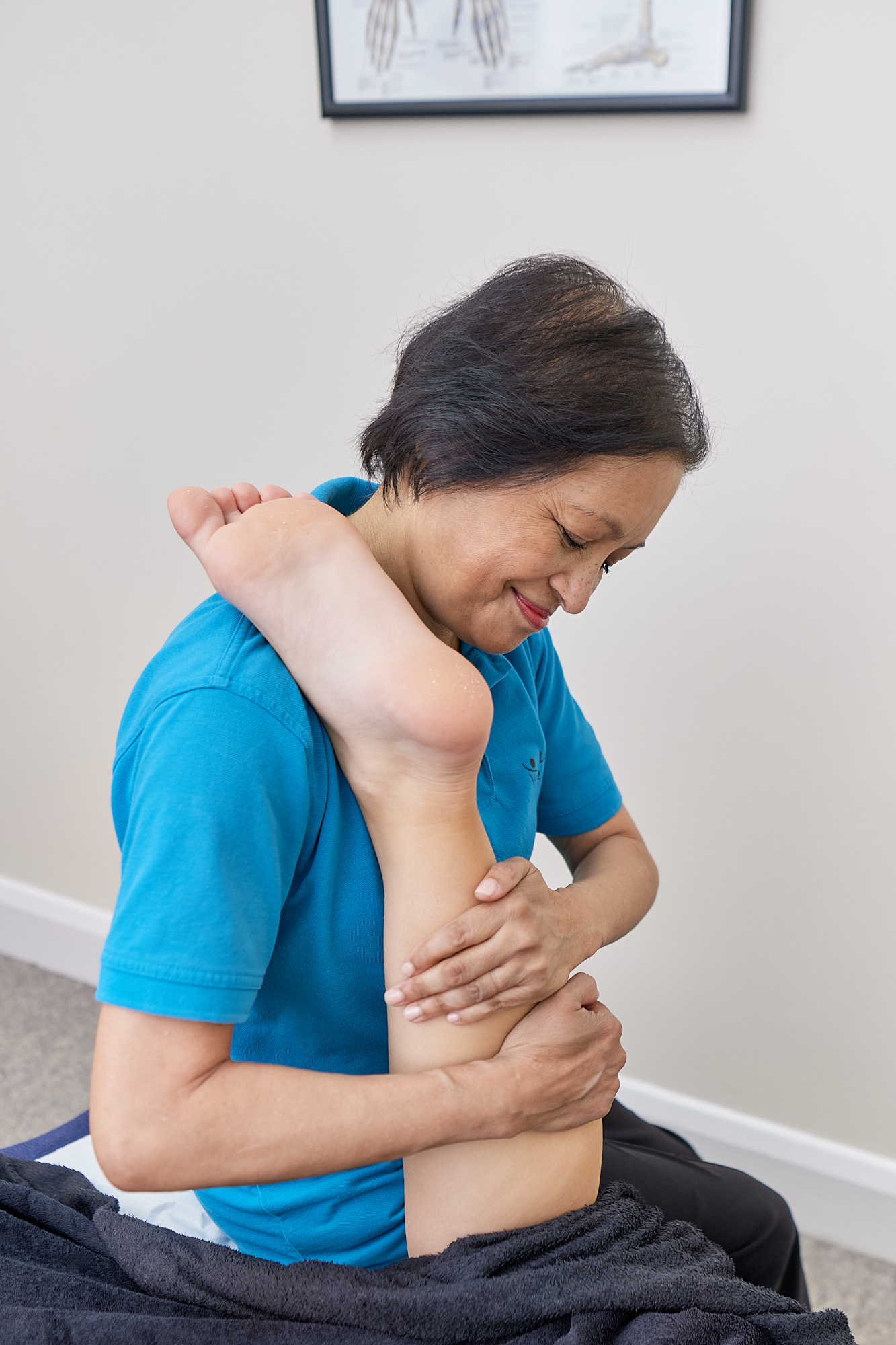
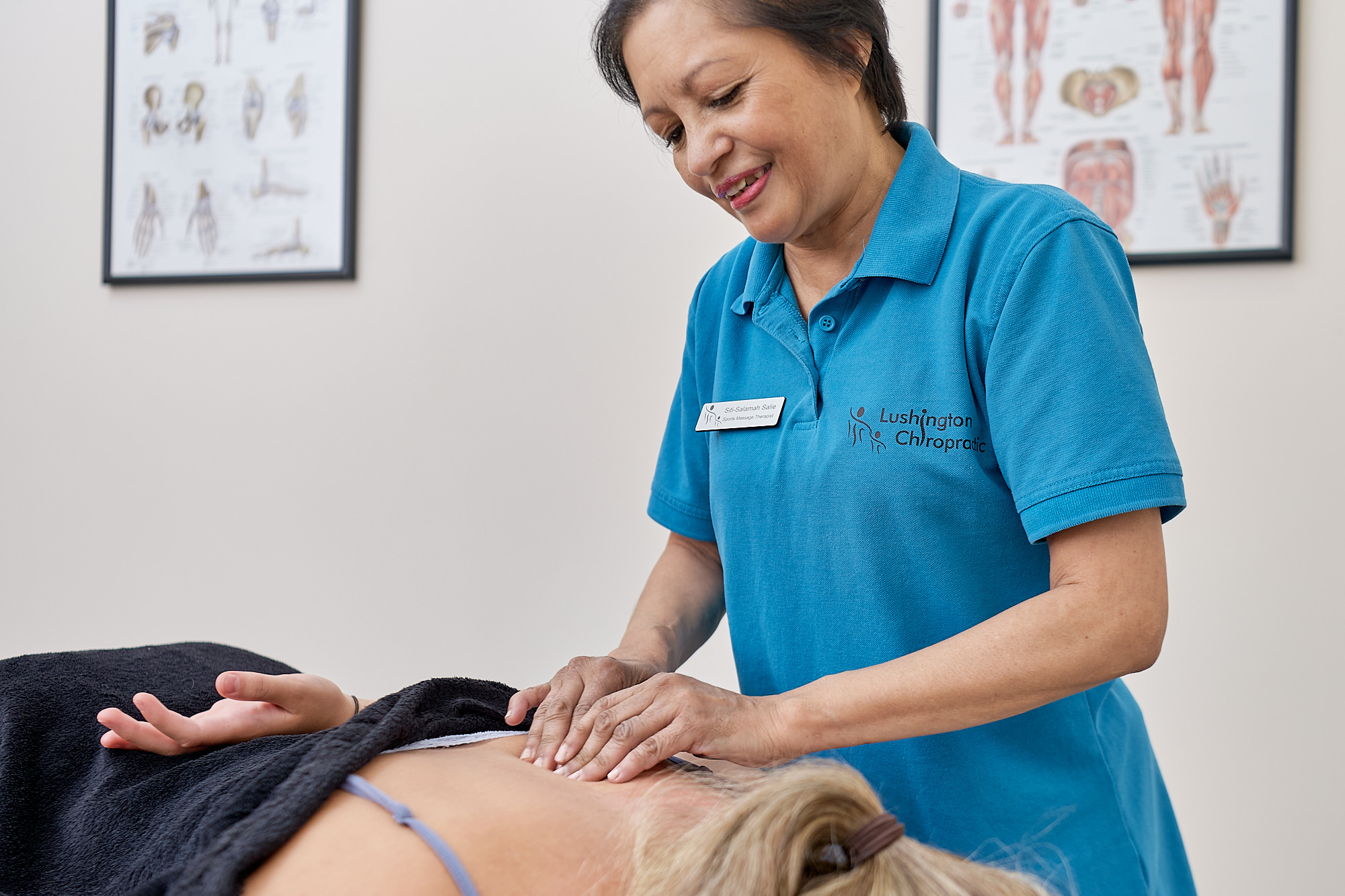
There are various types of massage techniques which help by relaxing tight muscles, easing painful knots (trigger points) in the muscles, increasing circulation and flexibility.

Massage therapy can help reduce pain and improve overall flexibility and mobility. Massage can also help reduce the effects of stress and improve relaxation, which can also help you cope with your plantar fasciitis.

If you’re looking for a highly professional and effective massage in Eastbourne then try Lushington Chiropractic. Our highly qualified and experienced team of massage therapists offer everything from sports massage and deep tissue, to relaxing techniques and holistic techniques like hot stones massage.

You don’t need to be a chiropractic patient to come for massage.

Your massage therapist will create a bespoke treatment plan to suit your needs and get you back to your best more quickly.

Acupuncture for Plantar Fasciitis in Eastbourne

Acupuncture is a safe and effective treatment that can help your plantar fasciitis.

By using needles to stimulate specific points on the body, acupuncture can help release tension and increase blood flow. This can help relieve plantar fasciitis problems by easing tension in the surrounding muscles.

With regular sessions, you may feel a significant improvement in your pain, allowing you to get back to the things you love.

It’s understandable to be nervous if you’ve not tried acupuncture before. The needles are so tiny you may not even feel them go in.

Combining Chiropractic or Massage with Acupuncture in Eastbourne

Most of our chiropractors and massage team are also qualified in acupuncture. They can combine their chiropractic and massage treatments with acupuncture if you’d like.

Do you want to have acupuncture combined within your massage or with your chiropractic treatment? Then just ask when you book and tell your practitioner when you see them.

You can also just have acupuncture if that’s what you prefer.

If you’ve got any questions or would like to find out anything in advance, don’t hesitate to call 01323 722499.


Chiropractic in Eastbourne – More than Just Plantar Fasciitis

If you’re tired of living with pain, book an appointment with one of our highly qualified chiropractors in Eastbourne. We’ll help you start your journey back to a pain-free life again.

CONSULTATION

Complimentary Chat to Discuss Your Plantar Fasciitis with a Chiropractor in Eastbourne

At Lushington Chiropractic we offer a complimentary chat service, where a chiropractor or massage therapist will happily talk over any concerns you’ve got in advance.

If you’re worried about anything in particular, rest assured our team will be more than happy to help. We’re used to helping nervous patients and will be happy to adjust our approach or techniques to suit your needs.

Self-Help Tips for Plantar Fasciitis

Around 4-7% of people will develop plantar fasciitis at some time in their lives and it accounts for 11-15% of all foot problems that require professional treatment. If you are experiencing plantar fasciitis, there are several self-help tips that may help alleviate your symptoms. Here are some suggestions:

Stretching Exercises

Perform regular stretching exercises that target the calf muscles and the plantar fascia. Stretching can help to loosen tight muscles and relieve pain.


Ice Therapy

Apply ice to the affected area for 15-20 minutes at a time, several times a day. This can help to reduce inflammation and relieve pain.


Footwear

Wear shoes that provide good support and cushioning. Avoid high heels and flip-flops.


Rest

Rest and avoid activities that aggravate your symptoms. Try to reduce your daily activities that require standing or walking for prolonged periods of time.


Massage Therapy

Consider seeing a massage therapist or using a massage ball or roller to help work out any tightness or knots in the affected area.


Over-The-Counter Pain Relief

Consider using over-the-counter pain medications such as paracetamol or ibuprofen as directed by your healthcare provider.


Healthy Lifestyle

Excess weight can put additional pressure on your feet, exacerbating your symptoms. Maintaining a healthy weight can help to reduce your risk of developing plantar fasciitis.


Remember, it is important to speak with your healthcare provider before starting any new exercise or treatment program. If your symptoms persist or worsen, seek medical attention.

Heat or Ice for Plantar Fasciitis?

If you’re dealing with pain, applying heat or ice can make a world of difference. While both options can feel nice, we generally recommend ice.

Ice is not only numbs the area but reduces circulation and calms swelling and inflammation, which is a major issue for plantar fascia pain.
ADVICE

Lushington Chiropractic Ice Advice

Wrap an ice pack up in a towel. You shouldn’t put it directly on the skin. Put it on the painful area for 5-10 minutes, or take it off sooner if it’s too cold i.e. “painfully cold”.  You'll soon notice the ice because the sole of our foot can be sensative!

Do this 4 to 6 times a day depending on how bad the pain is. With in reason the mroe often the better for plantar fascia pain.

Although heat will feel nice and soothing, it can increase blood supply and stir up inflammation. That's unhelpful if you're suffering plantar fasciitis.

One trick is to freeze a can of beans (we promise they don't burst). Then roll your foot over the can. Use as much pressure as you can stand. Keep doing this for up to 5-10 minutes. It's usually unbearably cold after just a few minutes. This trick will help break down some of the scar tissue and sooth the area at the same time.

Lushington Chiropractic Heat Advice

Heat can be soothing for plantar fascia pain but is rarely helpful long term.

If you do want to use heat then gently warming a hot pack in the microwave will help. Avoid anything too hot. It should just be gently soothing.


Healthy Diet

To some extent a healthy diet can help with painful conditions, including plantar fasciitis. A balanced diet rich in nutrients such as calcium, magnesium, and vitamins D and K can promote bone and joint health.

Additionally, anti-inflammatory foods, such as omega-3 fatty acids found in fish or flaxseed, can decrease inflammation in the body and reduce pain levels. A diet high in fruits and vegetables, which are rich in antioxidants, can also promote overall wellbeing by reducing oxidative stress and inflammation.

Coupling a healthy diet with exercise can further relieve and prevent plantar fasciitis by encouraging a healthy weight and lifestyle.

Making small, sustainable changes to your eating habits can have a significant impact on your pain and overall health, so make sure to prioritise a balanced diet.

Managing Stress and Mental Health

Suffering from any pain can be a debilitating experience that affects every aspect of your daily life. There’s a well-known link between chronic (long-term) pain, mental health and depression. So, as well as the various treatments for your plantar fasciitis, it’s also worth doing what you can to manage your mental health as well.

Stress and mental health can cause muscle tension and inflammation, which exacerbates the pain of plantar fasciitis. Additionally, when we’re depressed and fed up, our pain threshold lowers and we feel more sensitive to aches and pains. By managing stress through techniques like breathing exercises, meditation, or yoga you can help yourself feel better. Managing your stress and mental health, sleep routines, having a healthier diet and exercising will help you feel better in lots of ways.

Don’t ignore the power of stress management when seeking relief from plantar fasciitis, take control of your stress levels and improve your quality of life.

What do You Want to Do Next?

For Podiatry, Acupuncture, Sports Massage, Sports Therapy or to see a Chiropractor in Eastbourne Call 01323 722499

Request a Call Back

    I'm not a robot*

    By checking this, I understand all the Terms & Condition and Privacy Policy

    Thank you!

    Thank you for contacting Lushington Chiropractic, a member of our team will be in touch as soon as possible to discuss your inquiry.